Recognising that a relative or loved one needs extra support is a gradual process. For many families, caring starts with simple tasks, helping with food shopping, managing household bills, or dropping by for regular check-ins. However, over time, health conditions can evolve, and care needs may outgrow what can safely be managed at home.
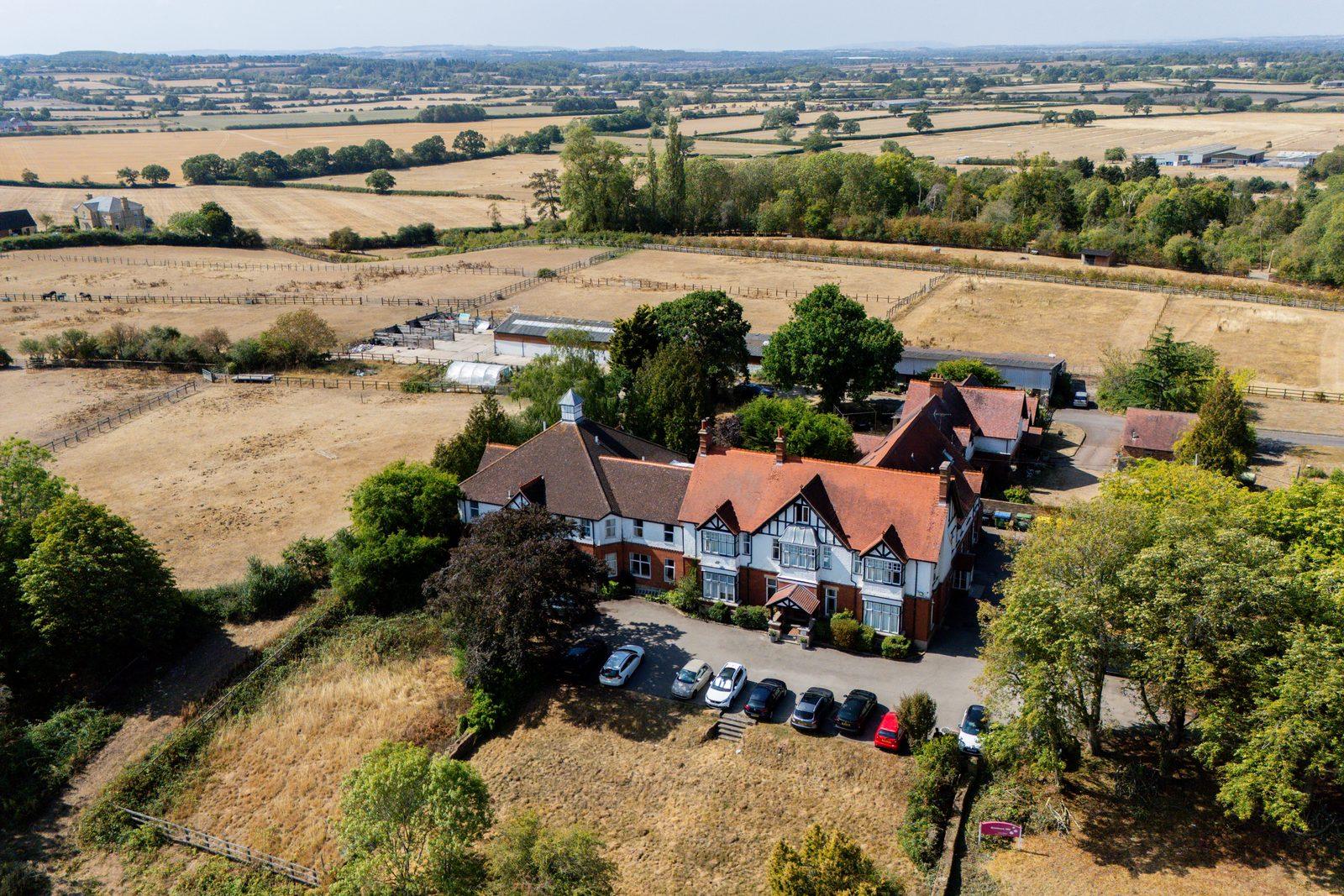
When complex health needs emerge, transitioning to professional nursing care is often the most compassionate decision you can make. At Bromson Hill Nursing Home, situated in the countryside near Warwick, we work closely with families navigating this transition.
To help you assess your loved one’s situation, here is a practical guide to the key signs that indicate it may be time to consider full-time clinical support.
1. Increasingly complex medical needs
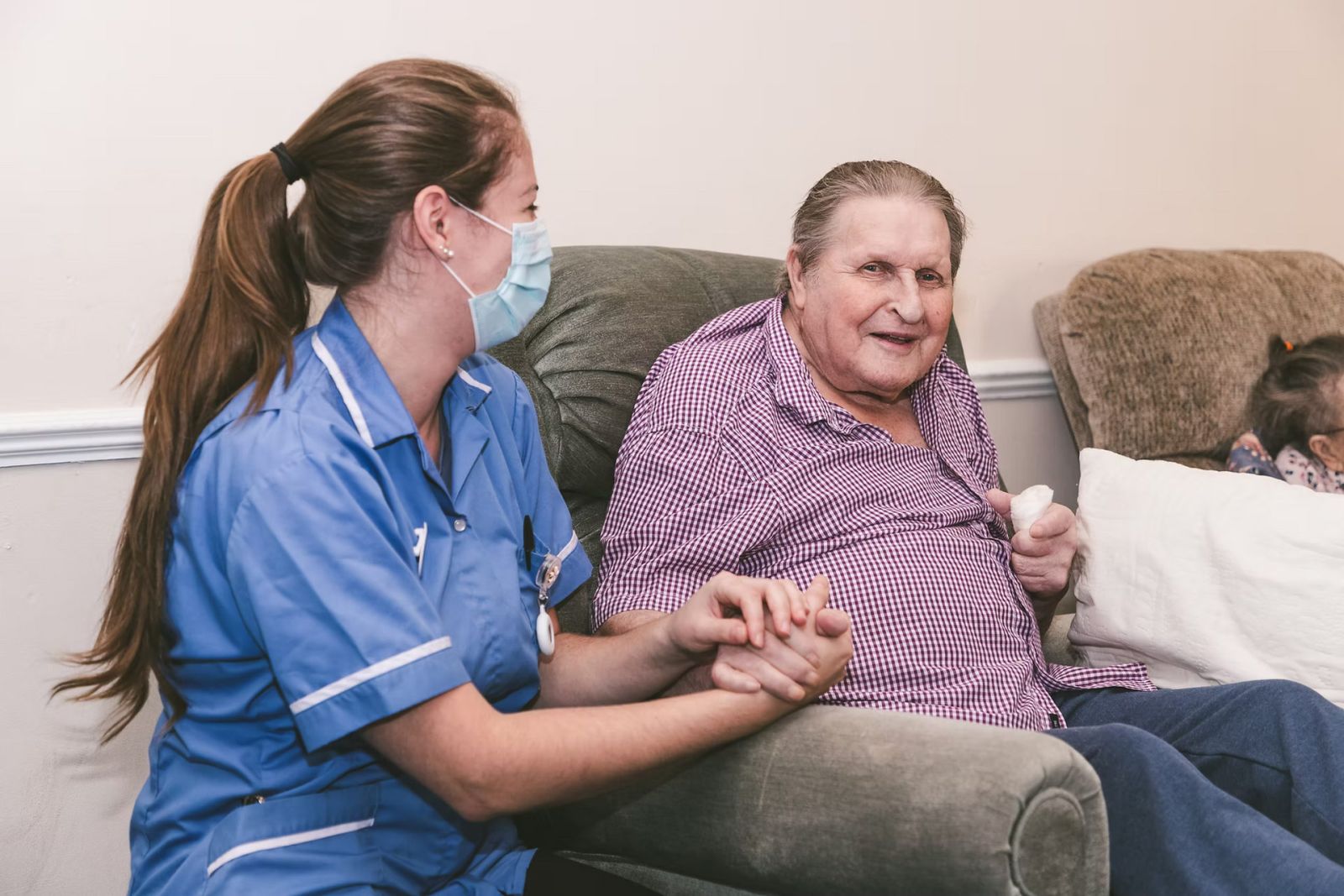
Unlike residential care, which primarily assists with personal daily activities like bathing and dressing, nursing care provides 24/7 care supervised by qualified, registered nurses.
Key indicators to look for:
- Medication Complexity: Frequent changes in prescription routines, missed doses, or difficulty administering specialised medication (e.g., injections, catheter care, or wound dressing).
- Chronic Health Conditions: Worsening symptoms of long-term conditions such as heart failure, stroke recovery, severe Parkinson’s disease, or chronic respiratory issues.
- After a hospital stay: Difficulty recovering at home following a major surgery, fall, or prolonged illness.
2. Frequent Falls and Mobility Decline
Declining physical mobility is one of the most common reasons families consider nursing care. When an older person loses balance or muscle strength, the risk of severe injury increases dramatically.
| Physical warning sign | Risk level | Suggested response |
|---|---|---|
| Unexplained bruising or fear of walking | Moderate | Home assessment and mobility aids |
| Difficulty getting out of bed or a chair | High | Daily help with personal care |
| Several unwitnessed falls, or being unable to get up | Critical | 24-hour nursing supervision and specialist equipment |
At Bromson Hill, our trained care team and specialised hoisting and mobility equipment ensure residents are safely supported while retaining as much physical independence as possible.
3. Progressive Cognitive Decline or Dementia
Memory loss affects every aspect of daily functioning. When cognitive impairment progresses beyond mild confusion, safety concerns quickly become paramount.
- Wandering or Disorientation: Getting lost in familiar environments or attempting to leave the house at unusual hours.
- Safety Hazards: Leaving the hob on, forgetting to lock doors, or failing to recognise basic household dangers.
- Behavioural Changes: Increased agitation, confusion (especially late in the day, known as “sundowning”), or difficulty communicating basic needs.
Dedicated nursing care offers a secure, structured environment where trained staff understand how to de-escalate anxiety and engage residents in meaningful daily routines.
4. Severe Weight Loss and Nutritional Changes
A sudden shift in physical health or appetite is often a silent sign that living independently is no longer sustainable.
- Noticeable Weight Loss: Clothes fitting loosely or rapid changes in body weight.
- Empty cupboards or out-of-date food: Finding expired food in the fridge or discovering that meals are routinely being skipped.
- Difficulty Swallowing (Dysphagia): Coughing or choking during meals, which requires specialised diet modifications and clinical oversight.
5. Carer burnout and stress
Caring for someone is an act of love, but it takes a heavy physical and emotional toll. Families often focus so intently on their loved one that they neglect their own health and wellbeing.
If you find yourself feeling constantly exhausted, overwhelmed, or anxious about your relative’s safety every time you leave them alone, it is a clear sign that the current care arrangement needs to evolve.
How Bromson Hill Can Support Your Family
Choosing nursing care does not mean stepping away from your role as a loving family member, it allows you to return to being a daughter, son, spouse, or friend, while leaving complex medical tasks to experienced professionals.
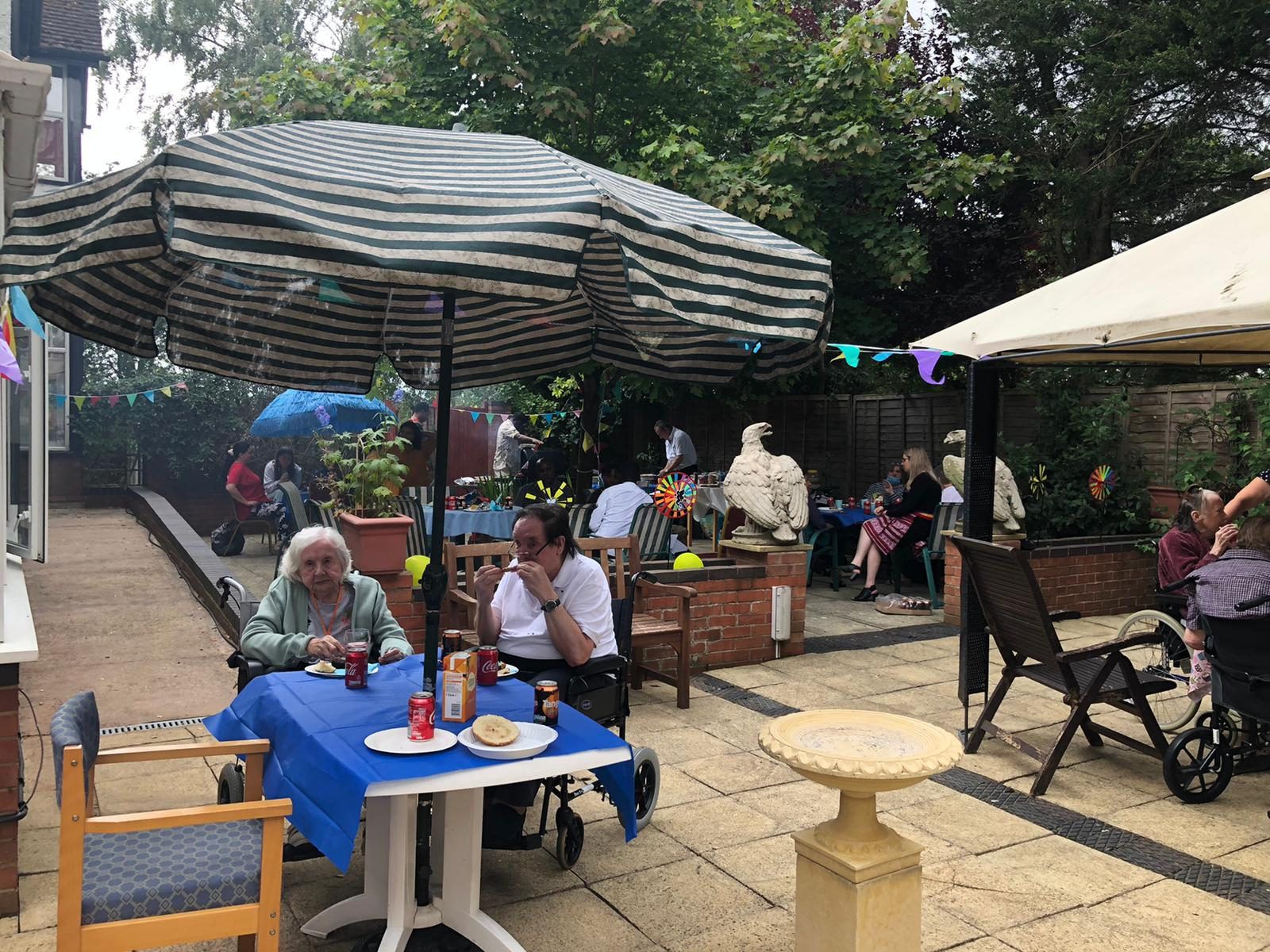
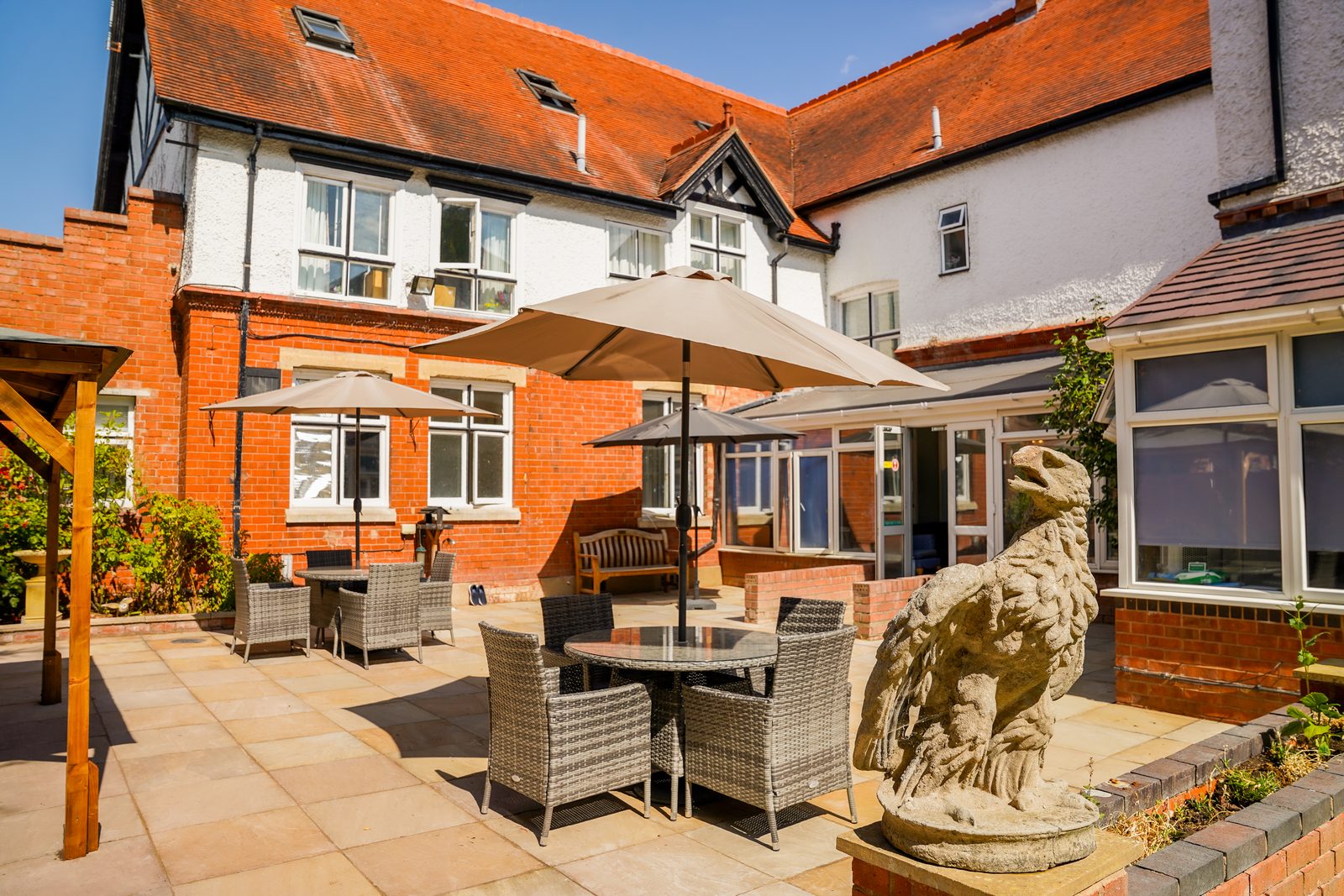
Set amidst peaceful countryside near Ashorne and Warwick, Bromson Hill offers tailored nursing, residential, and respite care within a warm, welcoming environment. Our qualified nursing team works alongside local GPs and healthcare specialists to create personalised care plans for every resident.
Next Steps for Your Family
- Talk to the GP: Speak with your relative’s doctor about a medical assessment.
- Discuss options openly: Involve your loved one in conversations as much as their health allows.
- Visit in person: Arrange a visit to Bromson Hill to meet our nursing staff, see the home and ask questions about your family’s needs.
If you would like to discuss your loved one’s care needs or arrange a visit to our home, please get in touch with our friendly team at Bromson Hill Nursing Home.