Creating Safe Environments in EMI Care Homes
For families supporting a loved one with dementia or other complex cognitive conditions, finding the right care environment is one of the most important decisions they will make.
As cognitive challenges progress, a standard home environment may no longer provide the level of safety and support required. Specialist EMI care homes are designed to provide a secure, comfortable, and supportive space where residents can maintain dignity and quality of life.
What Are EMI Care Homes?
EMI stands for Elderly Mentally Infirm care. EMI care homes are designed specifically for older adults living with conditions such as:
- Dementia
- Alzheimer's disease
- Memory-related conditions
- Complex cognitive difficulties
These environments provide specialist support from trained care teams who understand the unique needs of residents experiencing cognitive changes.
Designing a Safe and Supportive Environment
Safety in an EMI care home is not about restricting residents. Instead, it focuses on creating an environment where people can move around confidently while reducing risks.
Important safety features may include:
- Secure entrances and exits
- Safe walking areas
- Good lighting throughout the building
- Clear signs and visual guidance
- Accessible layouts
- Comfortable communal spaces
These features help residents navigate their surroundings more easily and reduce confusion or anxiety.
The Importance of Personalised Care
Every person living with dementia has their own history, preferences, and routines.
A quality EMI care environment focuses on personalised care plans that consider:
- Daily habits
- Personal interests
- Food preferences
- Sleep routines
- Emotional needs
Maintaining familiar routines helps residents feel comfortable and respected.
Combining Safety With Nursing Support
Some residents require both specialist dementia support and ongoing medical care.
EMI nursing provides additional clinical support for people who may need:
- Regular health monitoring
- Medication management
- Support with complex conditions
- Professional nursing assistance
Having qualified nursing staff available helps families feel confident that their loved one is receiving appropriate care at all times.
Creating a Calm Sensory Environment
People living with dementia can sometimes become overwhelmed by busy or unfamiliar surroundings.
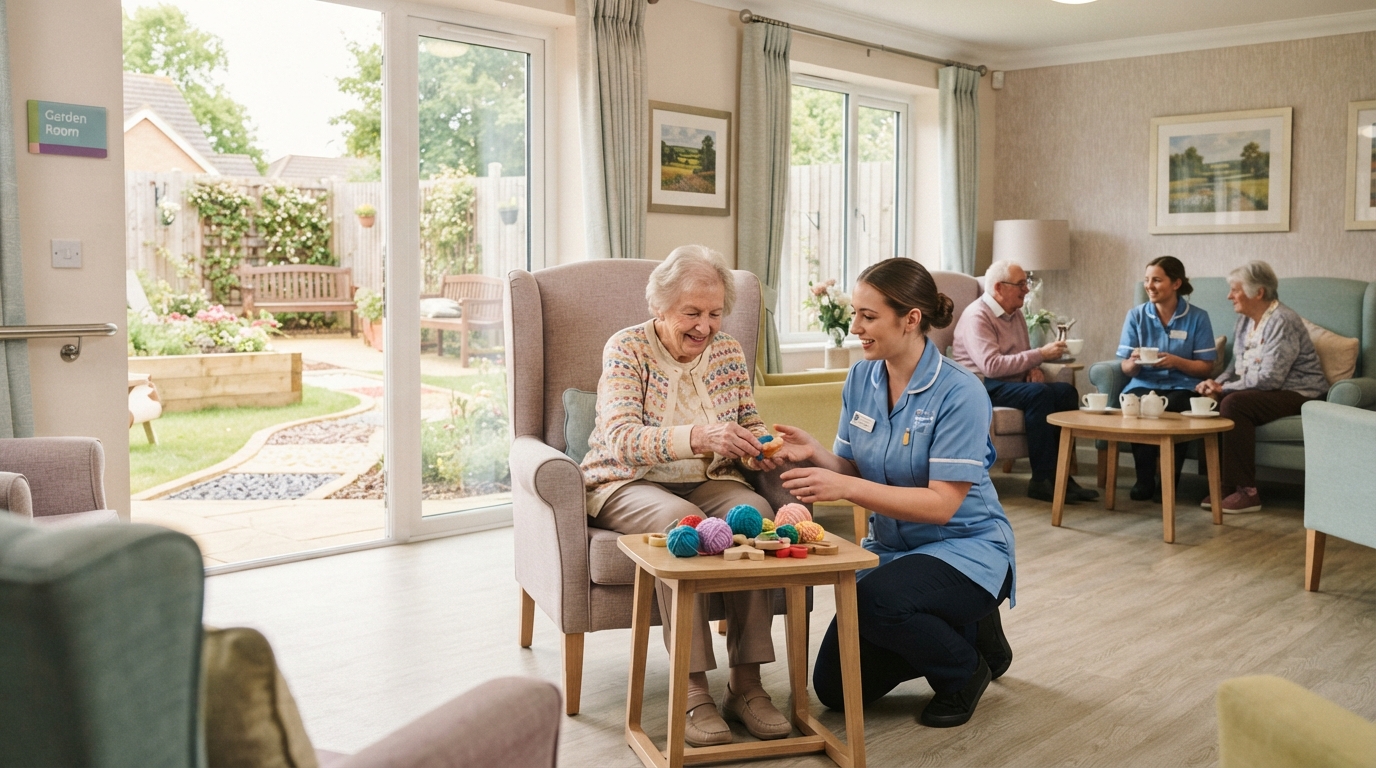
Care homes can support wellbeing through thoughtful environmental design, including:
- Quiet areas for relaxation
- Comfortable lighting
- Clear room identification
- Calm colour schemes
- Safe outdoor spaces
These elements can help create a more peaceful environment and support emotional wellbeing.
Supporting Families During the Transition
Moving a loved one into specialist care can be an emotional experience for families.
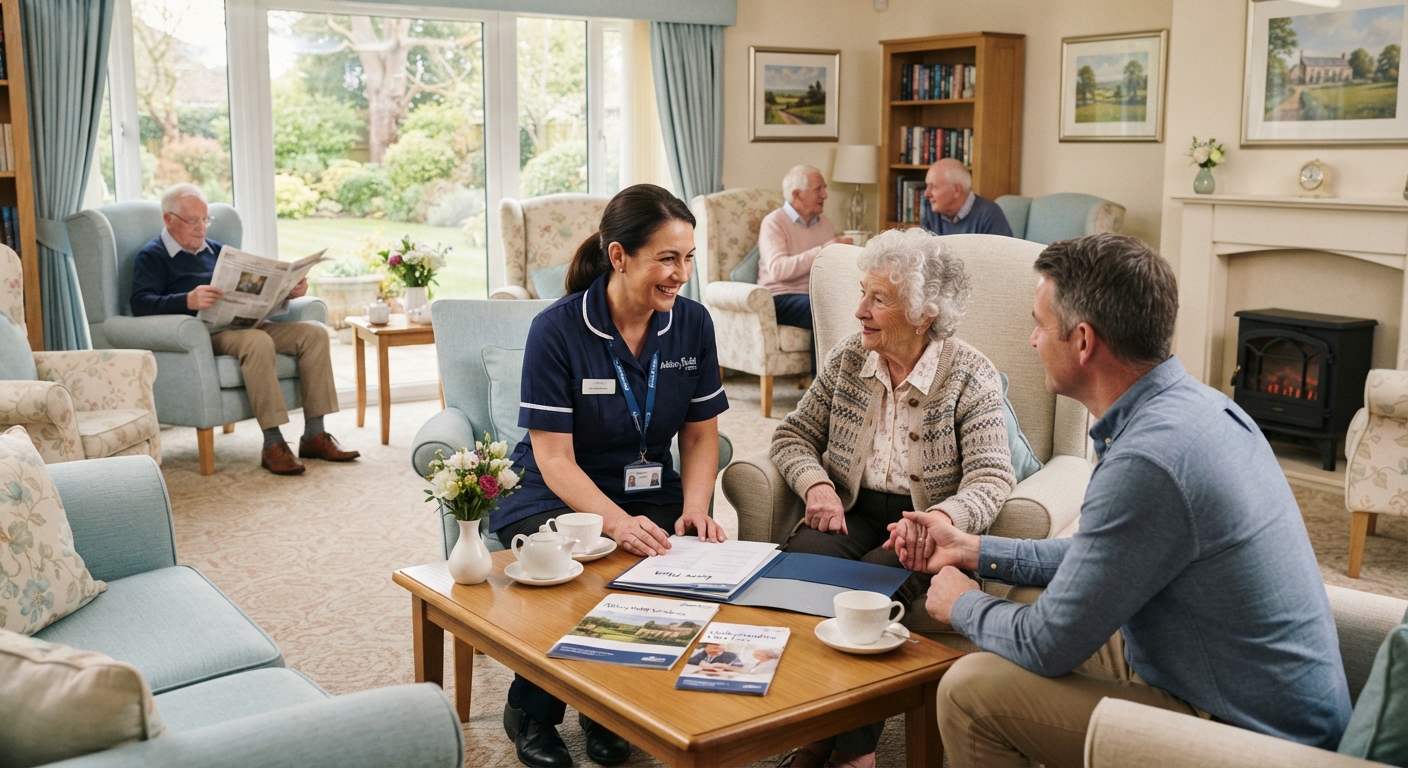
A supportive care home should involve families throughout the process by:
- Understanding the resident's history
- Communicating openly
- Providing regular updates
- Encouraging family involvement
Working together helps create a smoother transition and ensures care remains personal.
Specialist Care at Bromson Hill
At Bromson Hill Nursing Home, the focus is on combining professional care with a warm, homely atmosphere.
Located in Ashorne, Warwickshire, the home provides a comfortable environment where residents can receive specialist support while maintaining dignity, independence, and meaningful daily experiences.
The combination of personalised care, secure surroundings, and professional nursing support helps residents and families feel reassured.
Conclusion
EMI care homes play an important role in supporting older adults with dementia and complex cognitive needs.
By combining safe environments, specialist knowledge, and compassionate care, these homes help residents live with comfort, dignity, and confidence.