Specialist Support Through EMI Nursing: Caring for Complex Needs
Supporting a loved one with advanced dementia or complex cognitive conditions can be challenging for families. As health needs become more complex, standard residential care may no longer provide the level of support required.
EMI nursing offers a specialist approach that combines dementia support with professional clinical care, helping residents receive the right level of assistance in a safe and supportive environment.
What Is EMI Nursing?
EMI stands for Elderly Mentally Infirm. It refers to specialist care designed for older adults living with conditions such as:
- Advanced dementia
- Alzheimer's disease
- Severe cognitive impairment
- Complex mental health needs
Unlike standard care settings, EMI nursing provides additional medical support alongside dementia care.
This means residents can receive both emotional support and professional healthcare from trained nursing teams.
The Importance of Specialist Clinical Support
Residents with complex cognitive conditions may also experience physical health challenges that require ongoing monitoring.
EMI nursing helps support residents through:
- 24-hour nursing supervision
- Medication management
- Health monitoring
- Support with complex medical conditions
- Specialist dementia care
This combination ensures that both physical and emotional needs are addressed together.
Maintaining High Standards of Personal Care
Specialist nursing is not only about medical treatment. It is also about understanding the individual behind the condition.
Personalised care plans consider:
- Personal history
- Daily routines
- Preferences
- Dietary needs
- Communication styles
- Emotional triggers
By understanding each resident, care teams can provide support that protects dignity and promotes comfort.
Creating a Therapeutic Environment
The physical environment plays an important role in supporting residents with dementia.
Specialist EMI environments often include:
- Calm communal spaces
- Clear navigation areas
- Comfortable lighting
- Secure outdoor areas
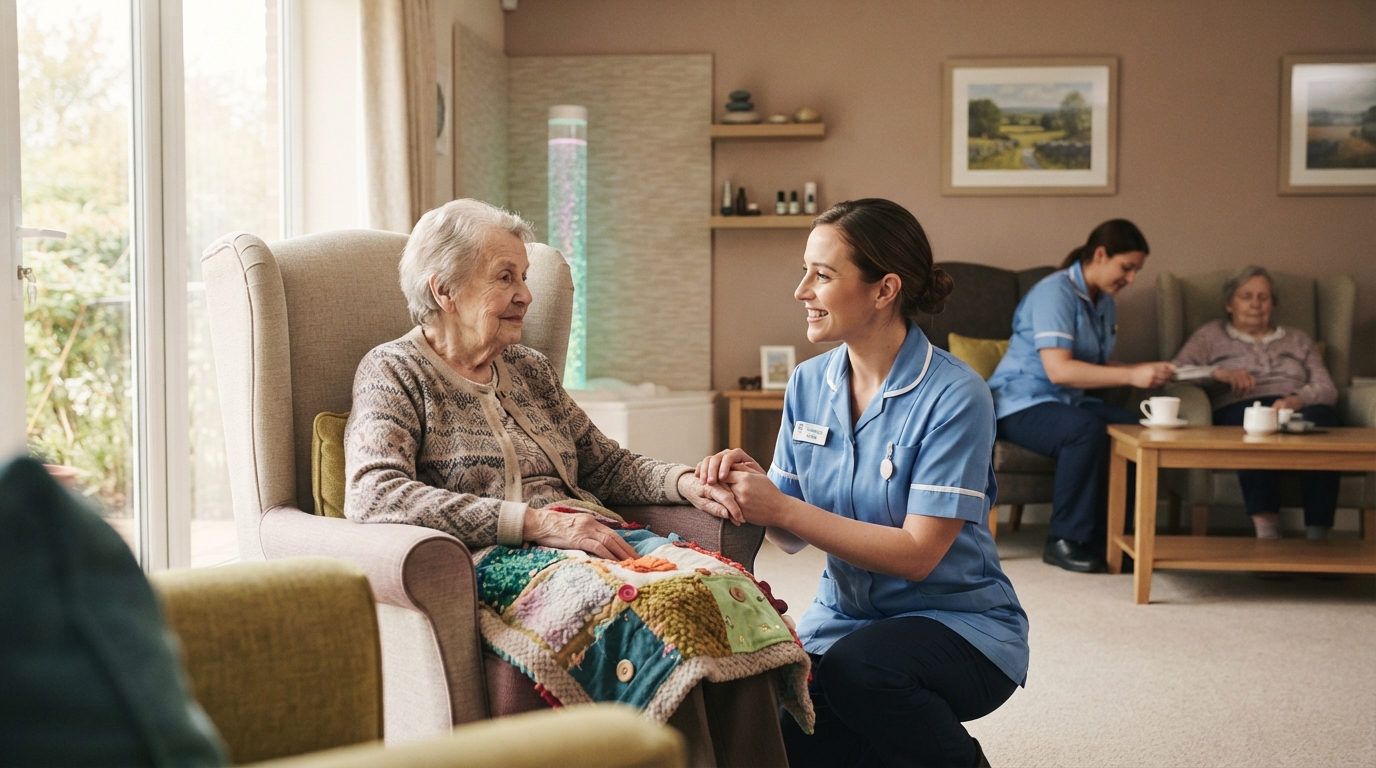
- Sensory-friendly design
These features help reduce anxiety and create a more reassuring living experience.
The Benefits of Sensory and Outdoor Spaces
Sensory environments can help residents feel calmer and more comfortable.
Features such as:
- Quiet relaxation areas
- Soft lighting
- Comfortable textures
- Peaceful gardens
can support emotional wellbeing.
Safe outdoor spaces also allow residents to enjoy fresh air, natural light, and gentle movement while remaining protected.
Supporting Families During the Transition
Moving a loved one into specialist care can be an emotional decision.
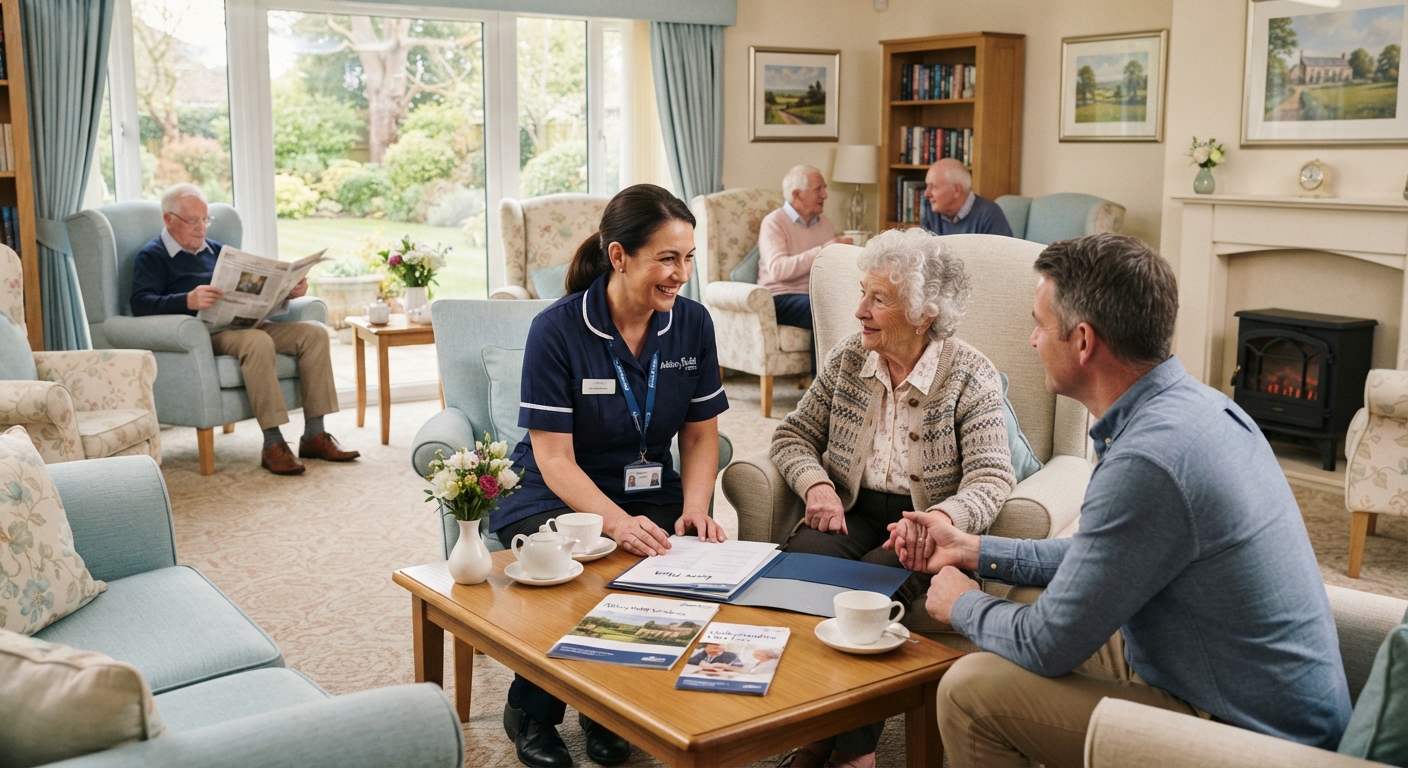
A good EMI nursing provider works closely with families by:
- Listening to their concerns
- Understanding the resident's history
- Creating personalised care plans
- Providing regular communication
This partnership helps families feel confident that their loved one is receiving appropriate support.
Specialist EMI Nursing at Bromson Hill
At Bromson Hill Nursing Home, specialist care focuses on combining professional nursing expertise with a warm and welcoming atmosphere.
Located in Ashorne, near Warwick, the home provides a supportive environment where residents can receive specialist EMI nursing care while maintaining comfort, dignity, and personal identity.
The team focuses on creating individual care plans that respect each resident's needs and life story.
Conclusion
EMI nursing provides essential support for people living with complex cognitive and medical conditions.
By combining specialist knowledge, professional nursing care, and personalised support, EMI nursing helps residents live safely while maintaining dignity and quality of life.