The Role of Compassionate Care in Dementia Support
Supporting someone living with dementia requires more than medical assistance. It requires patience, understanding, and compassion.
Dementia can affect memory, communication, and daily activities, making it important to provide an environment where residents feel safe, respected, and valued.
Compassionate care focuses on understanding each person as an individual and adapting support to their unique experiences and needs.
Creating Security Through Familiar Routines
For many people living with dementia, familiarity plays an important role in reducing confusion and anxiety.
Consistent routines can help residents feel more comfortable by providing structure throughout the day.
This may include:
- Regular daily schedules
- Familiar surroundings
- Consistent caregiver support
- Personal routines and preferences
A stable environment helps residents feel more confident and secure.
The Importance of Communication
Communication is a key part of compassionate dementia care.
Caregivers can support residents by:
- Speaking clearly and calmly
- Using simple language
- Giving residents time to respond
- Offering reassurance and encouragement
These approaches help residents feel listened to and respected.
Meaningful Activities for Dementia Support
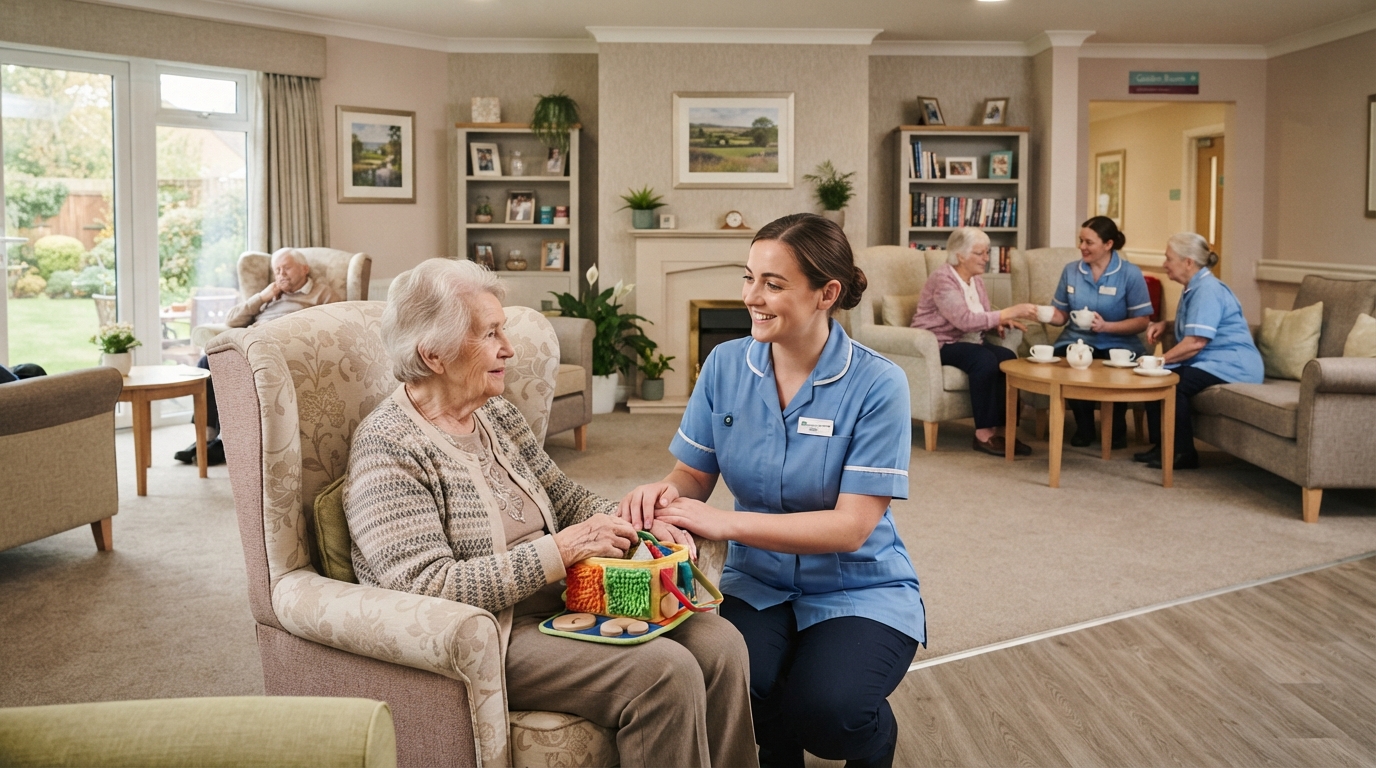
Activities that encourage engagement can have positive emotional and cognitive benefits.
Examples include:
- Music therapy
- Memory activities
- Arts and crafts
- Reminiscence sessions
- Gentle physical activities
These experiences allow residents to connect with their interests, memories, and emotions.
Person-Centred Dementia Care
Every person with dementia has a unique life story, personality, and preferences.
Person-centred care focuses on understanding:
- Personal history
- Favourite activities
- Individual habits
- Communication preferences
- Emotional needs
This approach ensures care is built around the person rather than only the condition.
Supporting Families
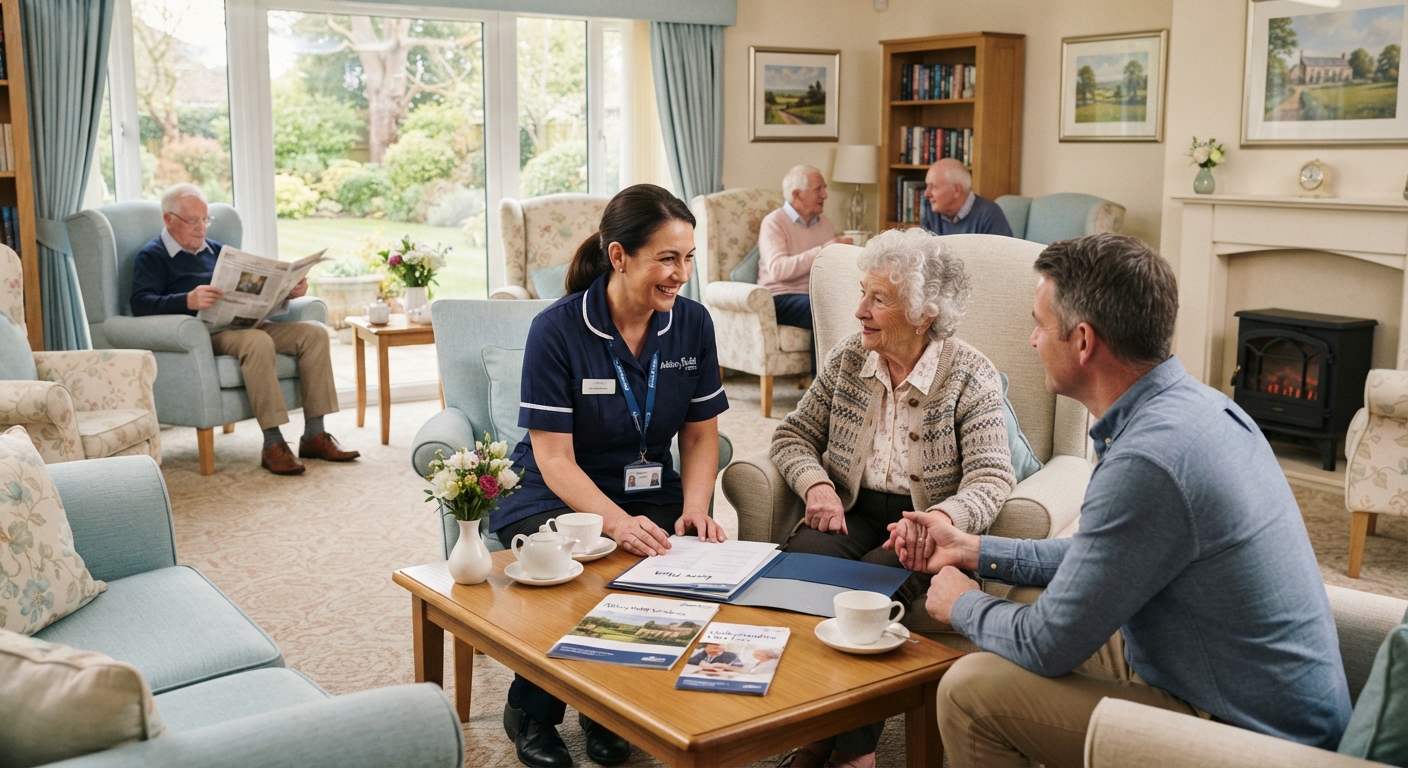
Dementia affects not only the individual but also their family members.
A compassionate care team provides reassurance by:
- Communicating regularly with families
- Sharing updates about wellbeing
- Involving families in care decisions
- Supporting them through changes
Working together creates a stronger support network.
Dementia Care at Bromson Hill Nursing Home
At Bromson Hill Nursing Home, dementia support focuses on providing a calm, structured, and compassionate environment.
Through personalised care approaches, trained staff, and meaningful activities, residents are supported in maintaining comfort, dignity, and connection.
The aim is to help residents feel understood while providing families with confidence and reassurance.
Conclusion
Compassionate care plays a vital role in dementia support.
By combining patience, empathy, personalised routines, and meaningful activities, care teams can improve the daily experiences of people living with dementia and help them maintain a sense of belonging.